What Insurers Review in Distributed Storage
Insurance questions are usually about energy concentration, isolation and evidence. A distributed design can answer them structurally.
Key takeaways
- Underwriters generally probe three areas: how much energy sits in one place, what happens between the first sign of trouble and isolation, and what documentation exists.
- Unstructured alerting trains operators to ignore the platform.
- Provide a one-page summary covering node energy, cell count, detection method, shutdown time, alarm path, swap procedure and the documents available.
Start with the questions, not the product
Underwriters generally probe three areas: how much energy sits in one place, what happens between the first sign of trouble and isolation, and what documentation exists. Compliance files, test reports, alarm architecture and maintenance records matter as much as the cells themselves, because they determine whether a response can be verified after an event.
Energy concentration
A distributed fleet presents a low energy value per node, which is straightforward to demonstrate from the data sheet: capacity per enclosure, series cell count and separation distance along the rail. Insurers respond well to numbers they can compare against thresholds rather than to qualitative assurances about safety philosophy.
Isolation and response
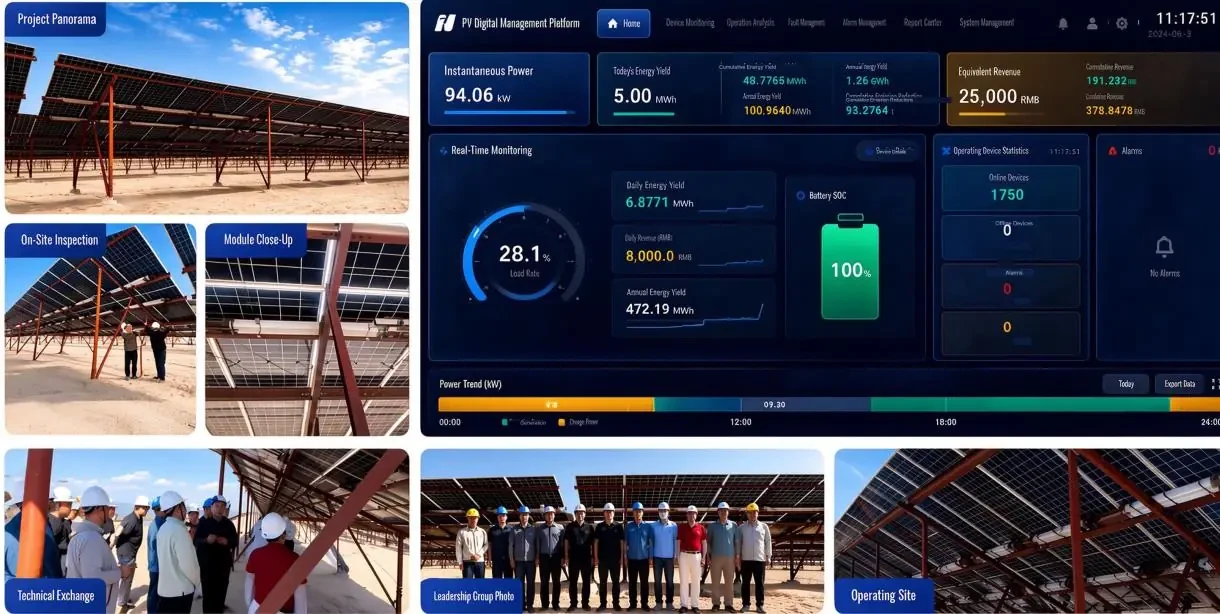
Describe the detection chain end to end: what senses the event, what commands isolation, how long it takes, and what remains energized afterwards. Include the alarm path to the operations team and any linkage to site fire systems. A second-level response with a documented shutdown time is a concrete answer; a claim about reliability is not.
Evidence and records
Maintain the electrical safety certificate, environmental rating, arc-detection method, thermal test results and mechanical load reports. Then maintain operating records: alarm history, swap history and firmware versions. Underwriters increasingly ask for these during renewals, and having them assembled reduces both friction and premium negotiation time.
Alarm fatigue and noise reduction
Unstructured alerting trains operators to ignore the platform. Tune the alarm set so that only actionable conditions notify a human, and let everything else accumulate in the dashboard. Grouping related alerts by row or by gateway also prevents a single communication problem from generating hundreds of separate notifications that bury the real event.
Renewal conversations
Bring a one-page safety summary to insurance renewals: node energy, cell count, detection method, shutdown time, alarm path and maintenance records for the period. Underwriters who receive structured evidence early usually complete the review faster, and an operator who can demonstrate active monitoring is in a stronger position than one relying on assurances.
Documenting a portfolio approach
Insurers increasingly assess fleets rather than single sites. Maintain one document describing the standard design, the protection concept, the monitoring platform and the maintenance regime, then reference it in each site's submission. A consistent portfolio story lowers review effort across many sites, and it makes the safety argument appear systematic rather than assembled for each individual policy.
Practical preparation
Provide a one-page summary covering node energy, cell count, detection method, shutdown time, alarm path, swap procedure and the documents available. Insurers are used to long data rooms; a concise, structured summary often shortens the review cycle more than additional attachments.
Want this analyzed for your plant?
Send your array data and we will return a technical view within one business day.
Literature search entries on Five-Layer Safety & DC Arc Rapid Shutdown
The entries below open literature search results rather than single papers, so the reading list can be filtered by date, citation count and full-text availability at the source. 24 queries across five indexes, grouped by source.
Google Scholar1
Semantic Scholar1
Baidu Scholar1
IEEE Xplore1
ScienceDirect1
OpenAlex19
- DC arc fault detection photovoltaic rapid shutdown
- lithium ion battery thermal runaway propagation
- PV DC arc fault protection standard
- distributed battery system safety design
- rapid shutdown device NEC requirements
- battery protection circuit PV
- arc fault circuit interrupter DC
- PV rapid shutdown UL3741
- thermal runaway prevention lithium battery
- system safety certification photovoltaic
- DC arc detection algorithm
- overcurrent protection PV system
- insulation monitoring DC microgrid
- lithium iron phosphate safety tests
- ground fault protection solar array
- battery thermal management design
- UL 9540 energy storage safety
- NEC 2017 rapid shutdown
- spark detection photovoltaic system
Take the Numbers With You
The brochure covers the storage rod, the five safety layers, the gateway and the cloud platform. Download it, or send us your site conditions for a proposal within one business day.