The shipment leaves as a documented kit
Rods, housings, cells, harnesses and gateways are packed as separate line items with a bill of materials, so the destination can classify components rather than a finished storage unit.
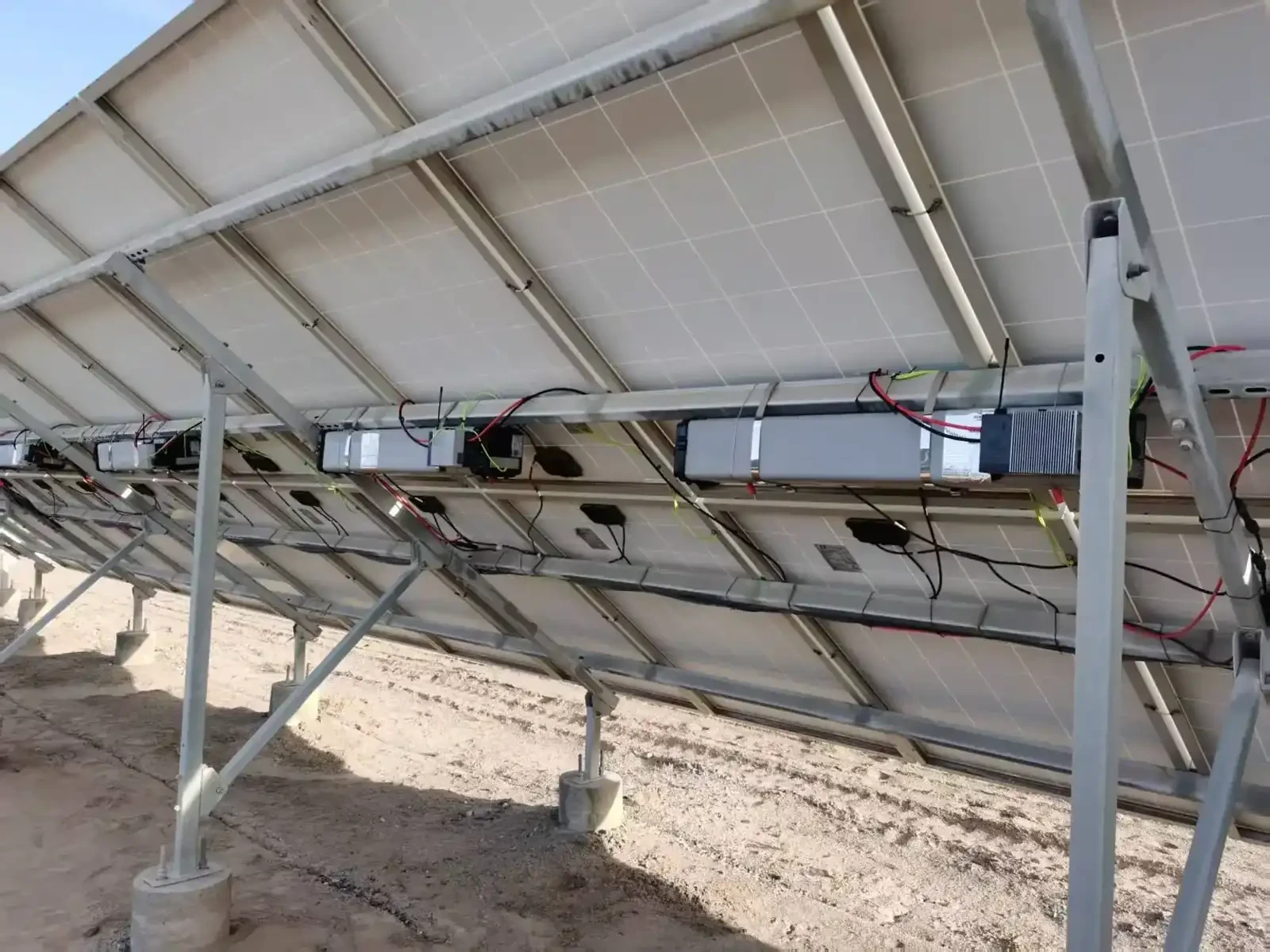
Storage rods hang directly under your existing PV panels on the mounting rail. Per-panel wireless optimization, five-layer safety, and cloud EMS dispatch — built to upgrade operating plants, not replace them.
Each storage rod is a self-contained unit: optimizer, battery, BMS and wireless node. Together they form a plant-wide dispatchable system.
Existing solar modules continue producing as usual. The micro-storage rod is hung beneath the panel on the mounting rail, connected in series with the panel string.
Each rod carries an independent MPPT optimizer that tracks its own panel in real time, eliminating shading, hotspot and mismatch losses to increase total generation.
Surplus solar energy charges the on-rod battery during peak generation. Each rod stores 3.2 kWh of LFP cells with independent BMS managing voltage, current, SOC, temperature and balancing.
Rods communicate via a self-healing wireless mesh network. No extra cabling between modules. One gateway manages up to 30,000 devices across the plant.
The cloud EMS platform dispatches charge and discharge across the plant, monitors every rod in real time, and generates performance reports. Supports both local tariff rules and grid dispatch.
Stored energy is dispatched during curtailment windows, peak tariff hours or grid demand events. The system supports both AC grid export and direct DC supply for telecom and industrial loads.
Integrated upgrade capabilities: generation + storage + monitoring + dispatch + safety in one clamp-on system.
Low-voltage DC storage on the PV side achieves 10%+ charge/discharge efficiency vs AC-side alternatives. Per-panel MPPT recovers 8%-20% generation gain from shading and mismatch.
Dispersed cells under the rails mean no concentrated thermal-runaway risk. Independent BMS per rod plus panel-level DC arc-fault shutdown with second-level cutoff of faulty branches.
15% lower initial PV system cost vs centralized storage. No land cost, no separate grid-connection approval for storage, no civil works. Pay-as-you-grow phased investment.
Optimizer recovers 8%-20% yield lost to shading, soiling and string mismatch. Curtailment absorption stores otherwise wasted power for dispatchable export.
Rapid shutdown cuts voltage below safety limits in under 2 seconds. Wireless mesh enables plant-wide dispatch with low latency and self-healing reliability.
Weld-free clamp-on installation. Single rod swap without affecting neighbors. Wireless mesh means no extra communication cabling to maintain. IP65 rated for harsh environments.
Duty is assessed on how a product is classified, not on how much energy it stores. Shipping modular kits instead of finished units lets the destination schedule treat the shipment as components, which is where a reduction of up to 70% against a finished unit becomes possible.
Rods, housings, cells, harnesses and gateways are packed as separate line items with a bill of materials, so the destination can classify components rather than a finished storage unit.
Bars weigh roughly 28 kg and clamp on weld-free, so assembly and mounting are handled by the local team with normal PV installation equipment and no dedicated assembly line.
We supply the component list, assembly steps and test records used in local-content and certification submissions, which is what most incentive and duty programmes ask for.
The saving is the difference between the duty assessed on a finished unit and on the classified component kit under the destination tariff schedule. The actual rate depends on the HS code applied, local-content thresholds and how much assembly happens on site, so the number is quoted per market before an order. Product certification (IEC 62109-1), IP65 rating and the five safety layers are unchanged by the assembly location.
Each capability below is paired with the pain it removes, so your team can map them directly to your own site conditions.
Containerized storage reserves large plots and needs civil foundations.
Bars hang under existing PV mounting rails. No land reservation, no civil works, no structural change to the array.
String-level control hides module mismatch and shading losses.
Each bar runs independent mesh wireless and its own MPPT, balancing every module precisely to lift yield.
Centralized battery stacks raise thermal-runaway and insurance concerns.
Cells are spread across the array, so a single fault is contained locally. Independent BMS plus DC arc protection keeps fire risk controllable.
Welded container systems are hard to move when a project ends.
Bars clamp on and unclamp off. Retire a site and redeploy the same assets to another plant with high reuse rate.
Imported turnkey systems miss local-content rules and subsidies.
Components ship knocked-down and housings assemble on site, supporting local manufacturing requirements and subsidy applications.
Megawatt-scale capex forces all-in decisions before proof.
Start with a pilot of a few dozen bars, verify gains on your own meter, then scale capacity in steps.
Five independent layers of protection from cell architecture to rapid shutdown — no single point of failure can cascade.
Battery cells are spread across the array under individual panels, not concentrated in a single cabin. A single fault is contained locally rather than cascading into system-wide failure.
Each storage rod has its own BMS managing voltage, current, SOC, temperature and cell balancing. Faults are isolated at the rod level.
Real-time detection of DC arcing at the panel level. Short-circuit and other risks trigger second-level cutoff of faulty branch circuits to reduce DC fire risk.
System-wide rapid shutdown brings voltage below safety limits in under 2 seconds, meeting firefighter safety requirements and insurance standards.
Each rod is rated IP65 for outdoor use. Validated for heat, dust, salt spray, humidity and vibration in desert and plateau conditions.
The cloud EMS platform turns thousands of distributed rods into a single dispatchable power plant.
Real-time visibility into every rod: SOC, temperature, charge/discharge status and health.
Per-panel generation gain, storage efficiency and curtailment absorption tracked with meter-grade accuracy.
Cloud dispatch engine schedules charge and discharge based on tariff, curtailment windows and grid signals.
Self-healing wireless mesh adapts to topology changes. One gateway manages up to 30,000 devices with automatic re-routing.
From the rod under the rail to the cloud dispatch layer, every module has a single responsibility and a verified interface.
3.2 kWh LFP, clamp-on under rails
Module-level MPPT per rod
DC arc-fault rapid shutdown < 2 s
Self-healing mesh, up to 30,000 devices
Dispatch, monitoring, reports
Add storage to operating utility plants without stopping generation.
Self-consumption and peak shaving for factories and logistics parks.
48 V DC direct supply with solar, cutting diesel and grid dependency.
Distributed PV-storage for islands, mines and remote communities.
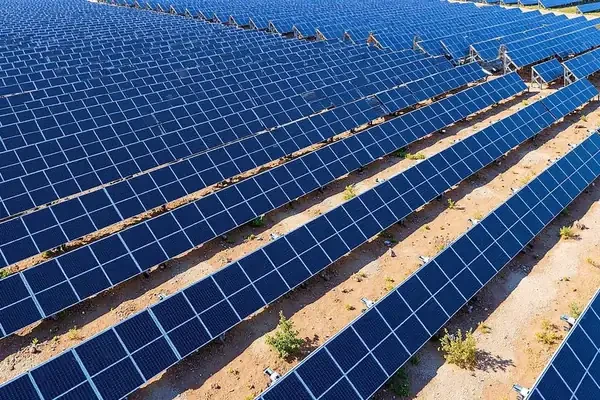
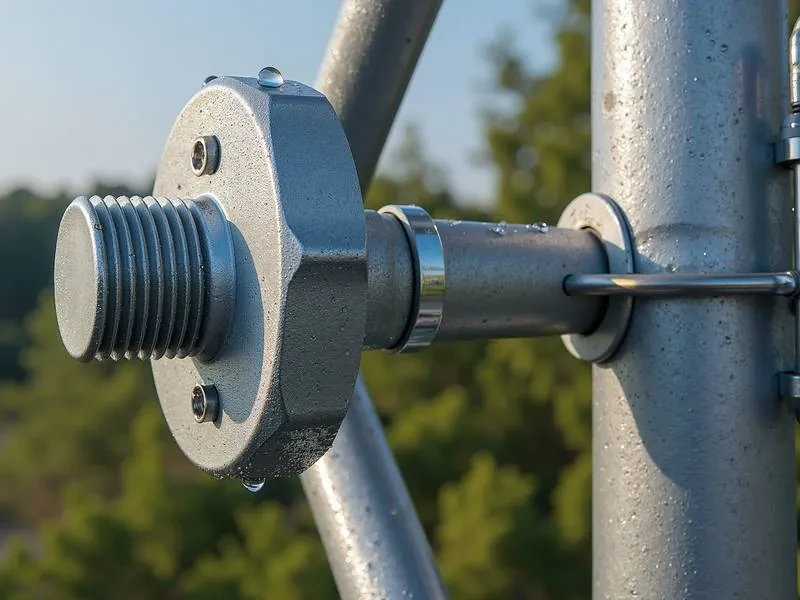
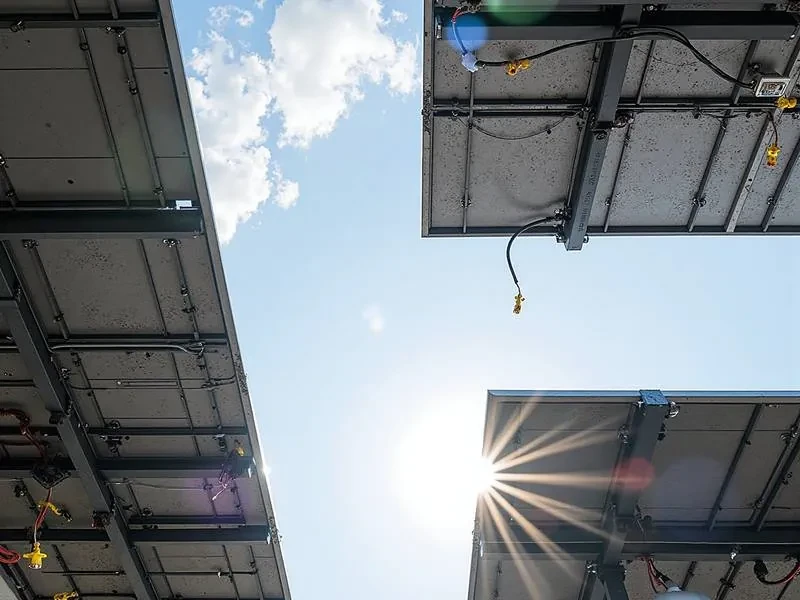
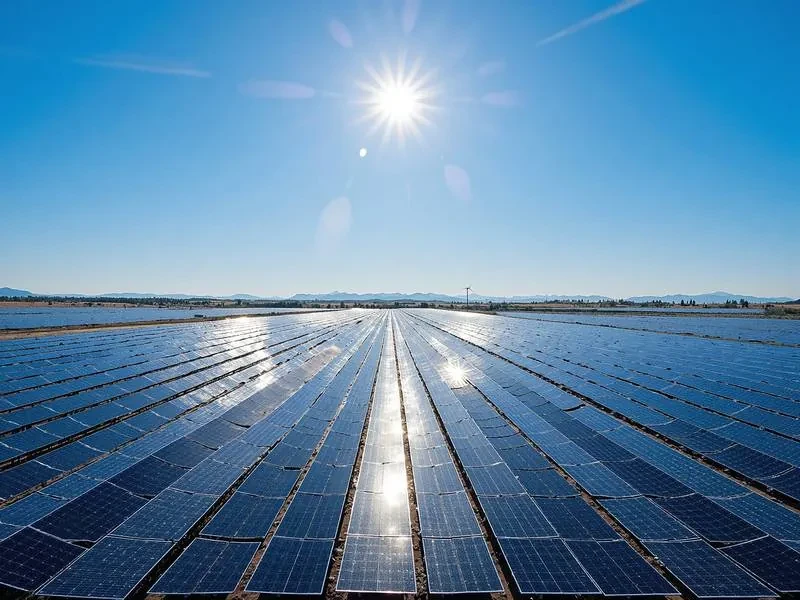
Actual site photos from a 100 MW retrofit and MW-scale field validations across multiple regions. No renders — every image is from a live installation.
Power, capacity and chemistry of a single storage bar.
| Rated input / output power | 1300 W |
|---|---|
| MPPT voltage range | 30 V - 110 V |
| MPPT efficiency | 99% |
| Storage capacity per bar | 3.2 kWh |
| Battery chemistry | LiFePO4 (LFP) |
| DC output | 48 V DC native output |
| Cycle life | 6000 cycles |
| Operating temperature | -20°C to 50°C |
How bars talk to the gateway, and how each one protects itself.
| Communication | Sub-1G wireless mesh to 4G gateway |
|---|---|
| Ingress protection | IP65 |
| Rapid shutdown time | < 2 s |
| Gateway capacity | Up to 30,000 devices |
| Battery management | Per-unit BMS |
| Safety standard | IEC 62109-1 |
What installation takes on an operating plant.
| Module weight | ~28 kg, one-man liftable |
|---|---|
| Installation | Clamp-on, weld-free, rail-mounted |
| Retrofit time | ~15 min per DC retrofit, no plant downtime |
Pilots typically start from a few dozen bars on one or two arrays. You verify yield and storage data on your own meters before scaling to megawatt level.
Read more: Phased purchasing as financial optionalitySend us your array layout and curtailment data. We return a rod count estimate and a phased deployment plan within one business day.